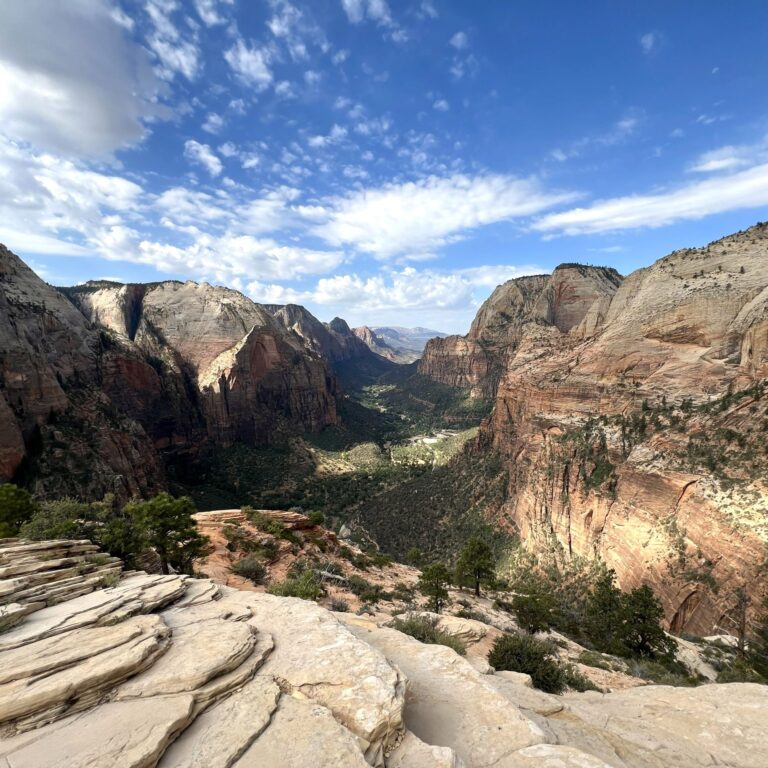
Death Valley National Park sits in eastern California and stretches into Nevada. It’s known for being the hottest, driest, and lowest place in North America, but it’s also one of the most unique landscapes I’ve ever seen. Between the salt flats, sand dunes, rocky mountains, and colorful canyons, it feels like you’re exploring another planet.
Planning your visit to Death Valley
Best Time to Visit
The best time to visit Death Valley is between October and April when temperatures are more manageable. Winter and early spring offer ideal conditions for hiking, sightseeing, and photography. Summer visits are possible but challenging, with daytime temperatures frequently exceeding 110°F. We went in February and the temperatures were in the 70’s to 80’s.
Getting There and Getting Around
Death Valley is remote, with long stretches between services. We drove a car from Las Vegas, which is about a two-hour drive, however you can also drive from Southern California. A reliable vehicle with a full tank of gas is essential. Gas stations are limited inside the park and prices are much higher than surrounding areas.
Top attractions
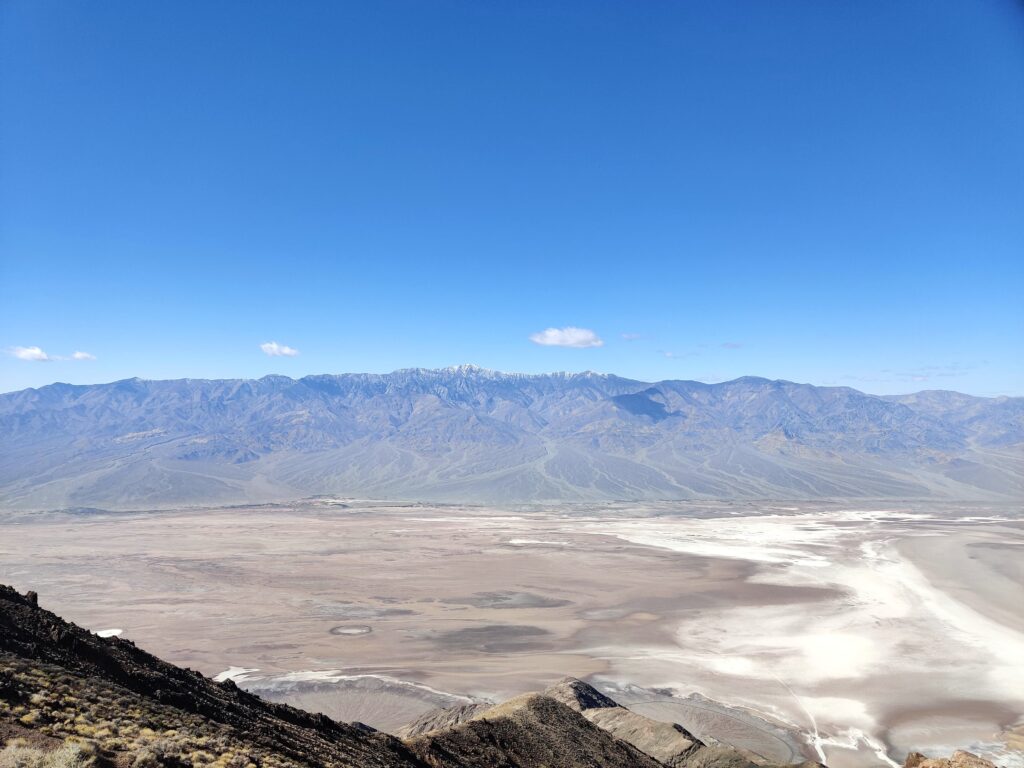
- Dante’s View – A breathtaking 5,476-foot-high overlook providing sweeping views of the valley.
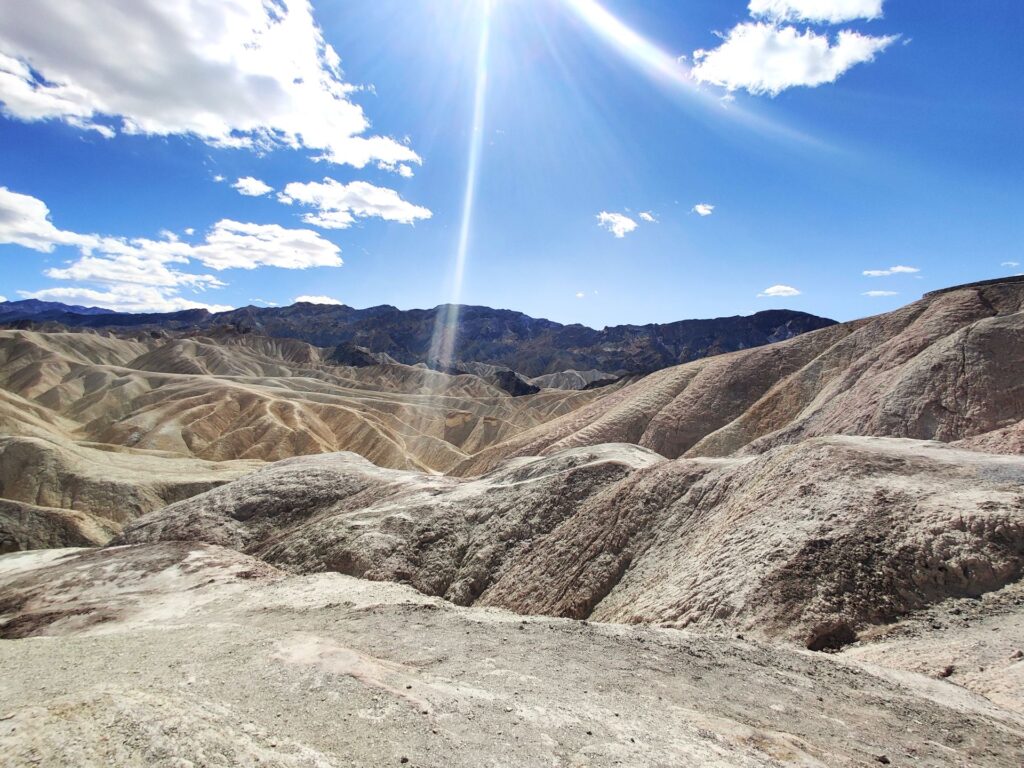
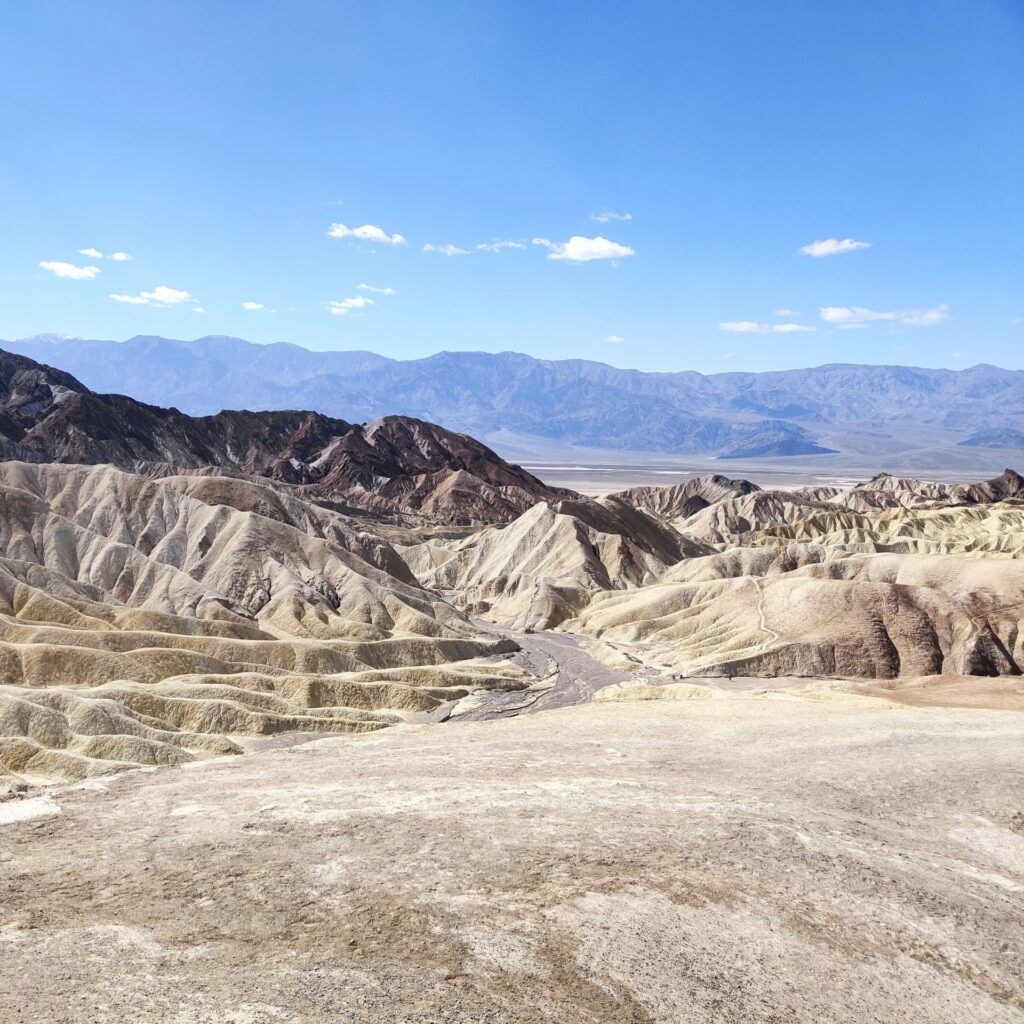
- Zabriskie Point – A must-see viewpoint, offering panoramic vistas of Death Valley’s rolling badlands.
- Furnace Creek Visitor Center – Visitor center for Death Valley
- Badwater Basin – Walk across the vast salt flats at the lowest point in North America.
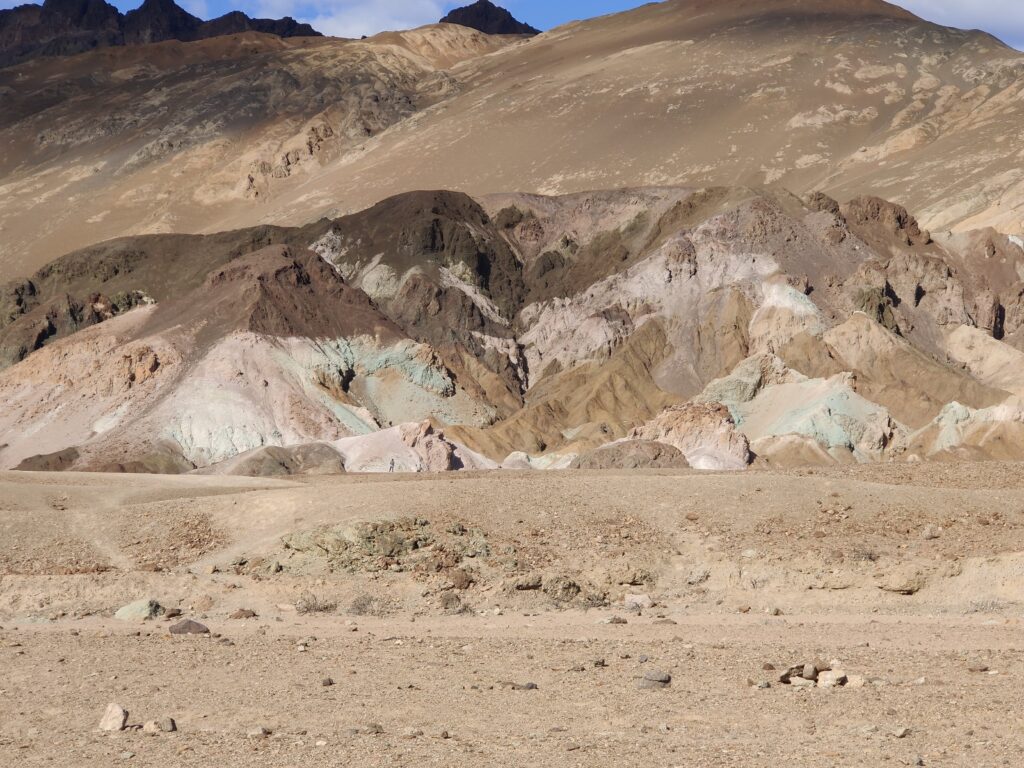
- Artist’s Palette – A unique area with vibrant, multi-colored hills created by mineral deposits.
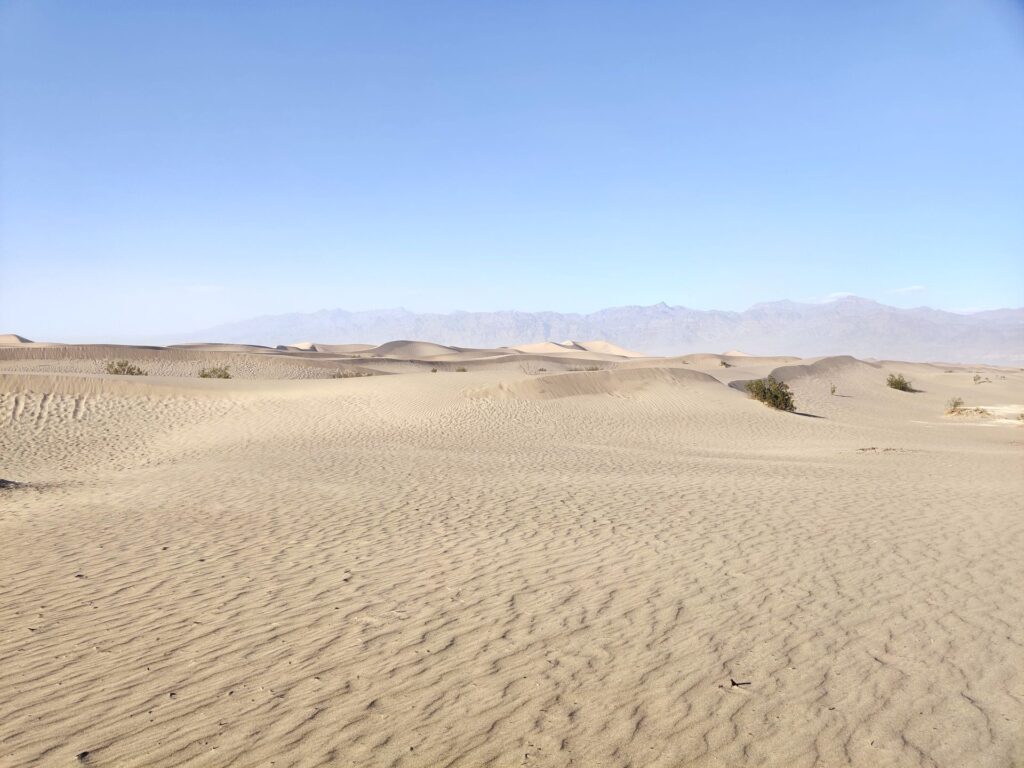
- Mesquite Flat Sand Dunes – Stunning golden dunes perfect for photography, hiking, and sunrise/sunset views.
What to Bring
Conditions in Death Valley can change quickly, so come prepared:
- Plenty of water, at least one gallon per person per day
- Sun protection including hats, sunscreen, and sunglasses
- Comfortable hiking shoes
- Offline maps or GPS
- Extra snacks and emergency supplies
Park Fees and Passes
Death Valley National Park requires an entrance fee, or you can use an America the Beautiful National Parks Pass, which is a great option if you plan to visit multiple parks in one year.
Attractions
Dante’s View
We started at the top of Dante’s View first and then headed into the valley. At Dante’s View we were not prepared for how cold it was on top, approx 40f, if you are visiting, make sure to dress for all temperatures ranges in the park!
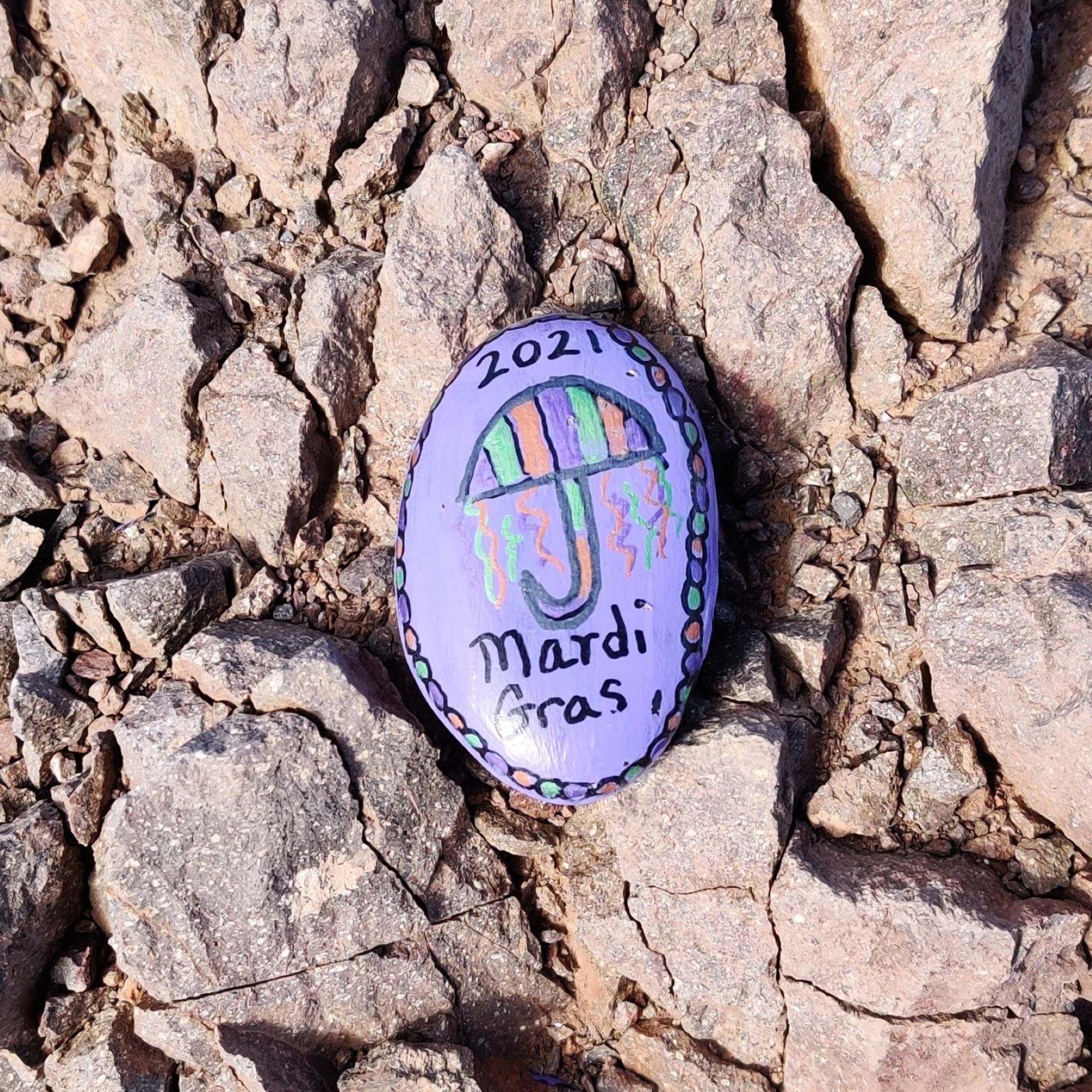
Found this unique painted rock at the top, took a picture and left it. Unsure if there is a story behind it, but wanted capture the moment.
Zabriskie Point
Next, we visited Zabriskie Point, and as someone originally from South Dakota, the badlands here strongly reminded me of the striking landscapes back home. The rugged terrain and unique rock formations felt familiar, yet still awe-inspiring in their own way.
Badwater Basin
Arriving at Badwater Basin is a sureal experience. Being 282 ft below sea level is something else. Right next to the parking lot, is the spring-fed pool, which is where it gets its name. As you can tell, it contains a large amount of salt.
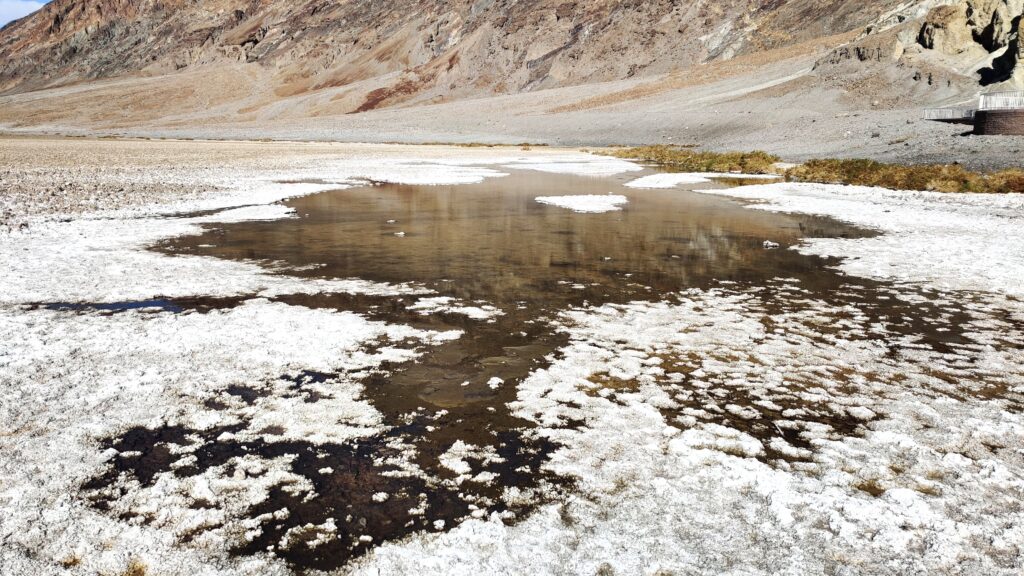
Next we walked around the salt flats also located at Badwater Basin.
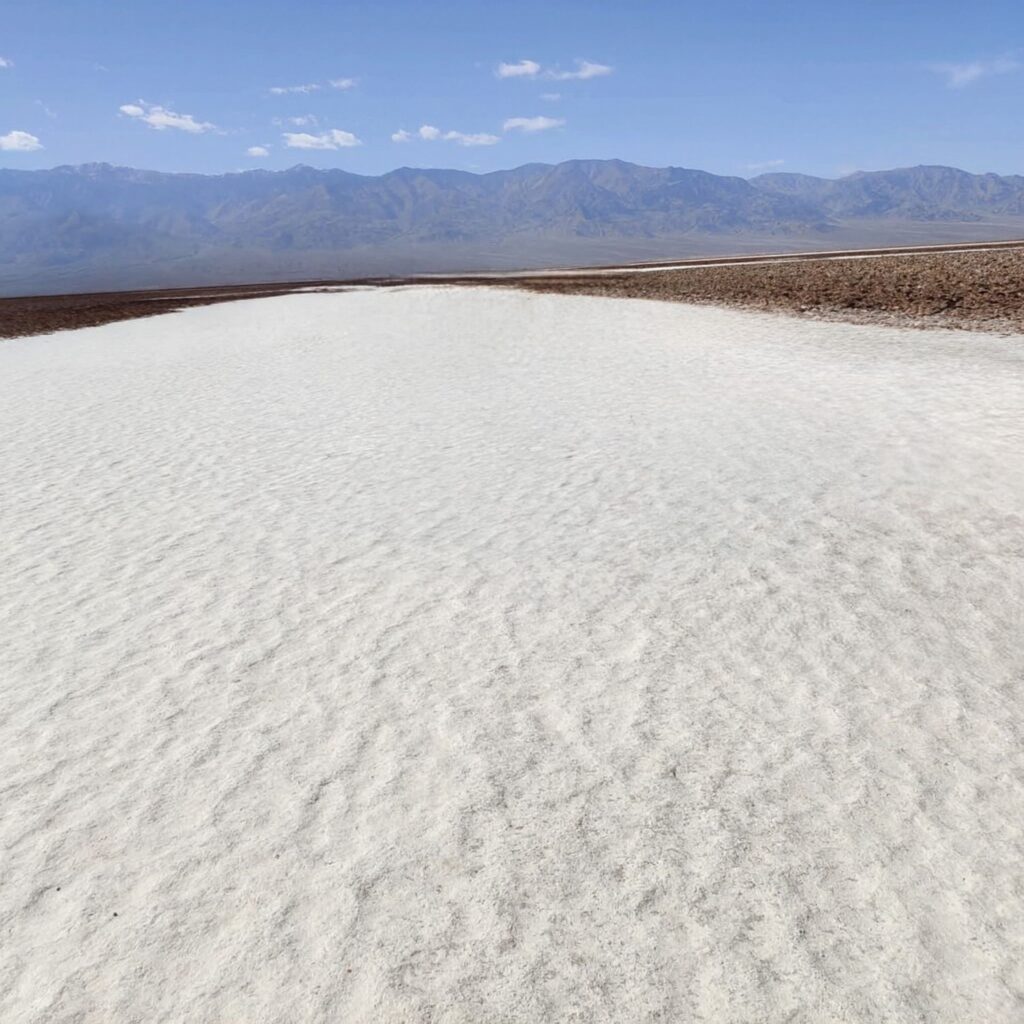
Here you can see the water has evaporated and left unique landscape behind.
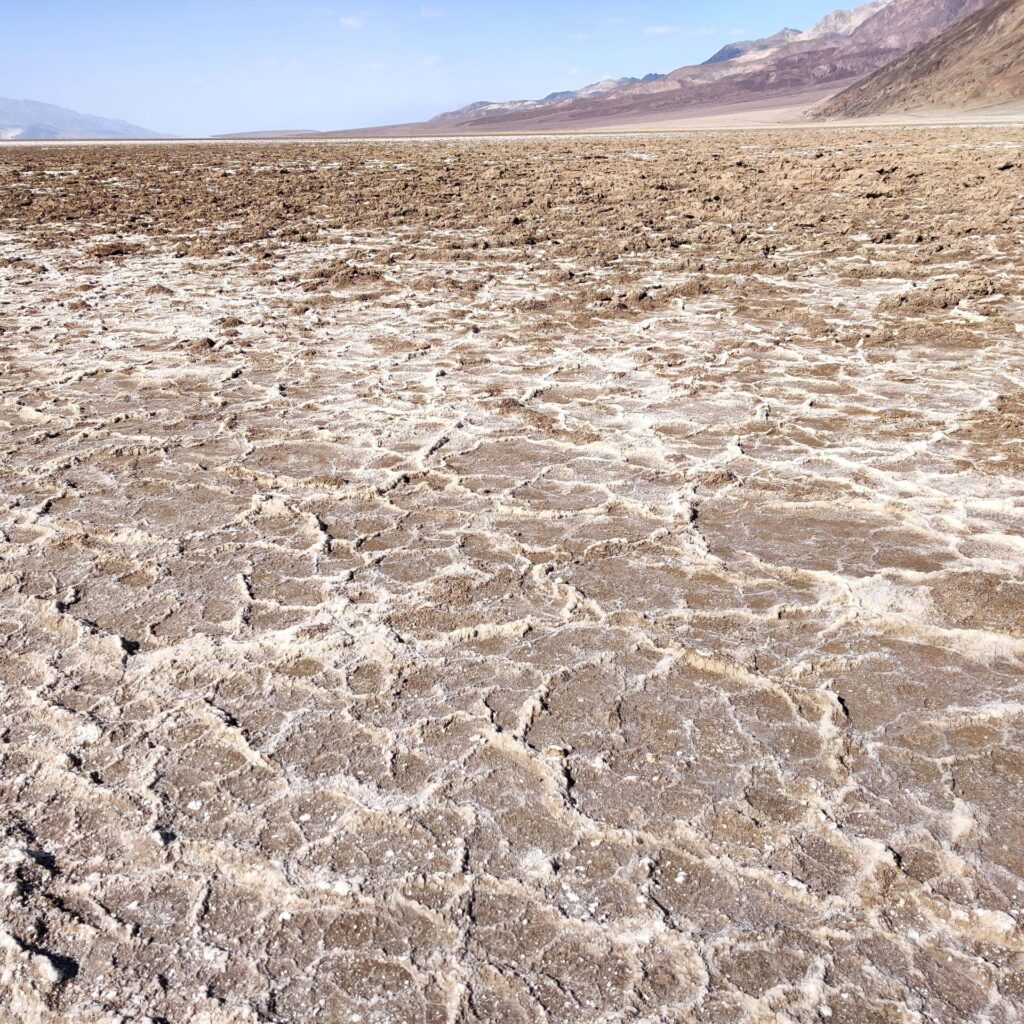
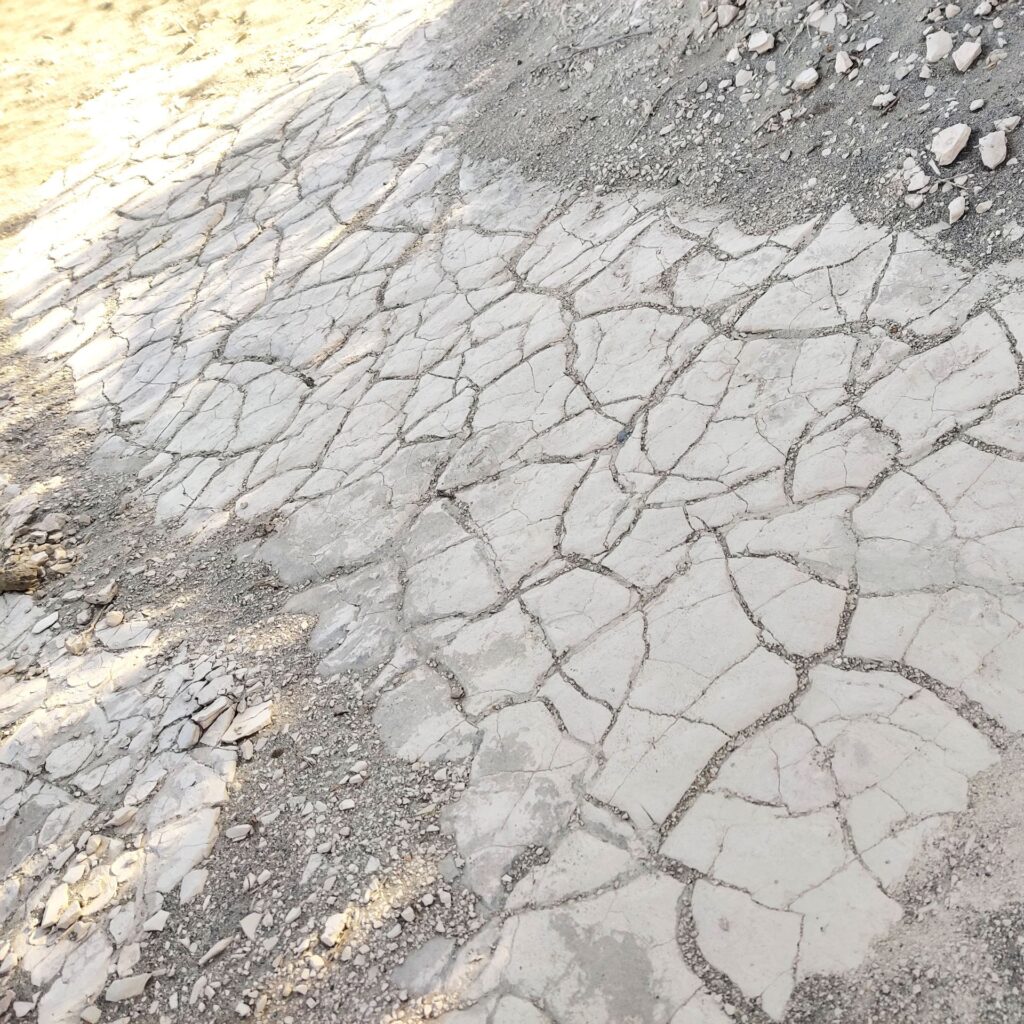
This view shows just how dry and cracked the ground is in Death Valley.
Artist Palette
On the way out of Badwater basin, we took the little detour to see Artist Palette which contains unique geography that has multiple different colors.
Mesquite Flat Sand Dunes
Our last stop in the park was the Mesquite Flat Sand Dunes. This was our first time seeing sand dunes, and we couldn’t resist the urge to try sand sledding, an idea my wife seen online. Armed with a couple of empty pizza boxes, we gave it a go for some added excitement and, surprisingly, it actually kind of worked!
Final thoughts on visiting Death Valley National Park
I am really glad we visited Death Valley in February because I cannot imagine how intense the heat must be during the summer months. The park demands respect due to its harsh conditions, but the experience is absolutely worth it. Death Valley offers an incredible range of landscapes, from rugged mountains and colorful badlands to vast salt flats and rolling sand dunes. It feels far more diverse than many people expect. I do not think Death Valley gets the attention it deserves compared to other national parks, and after visiting, it is easy to see why it is such an unforgettable destination.
Discover other National Parks
Mount Rainier National Park: One Day Itinerary and Travel Guide
Olympic National Park in 3 Days: A Complete Itinerary